
29 November 2021
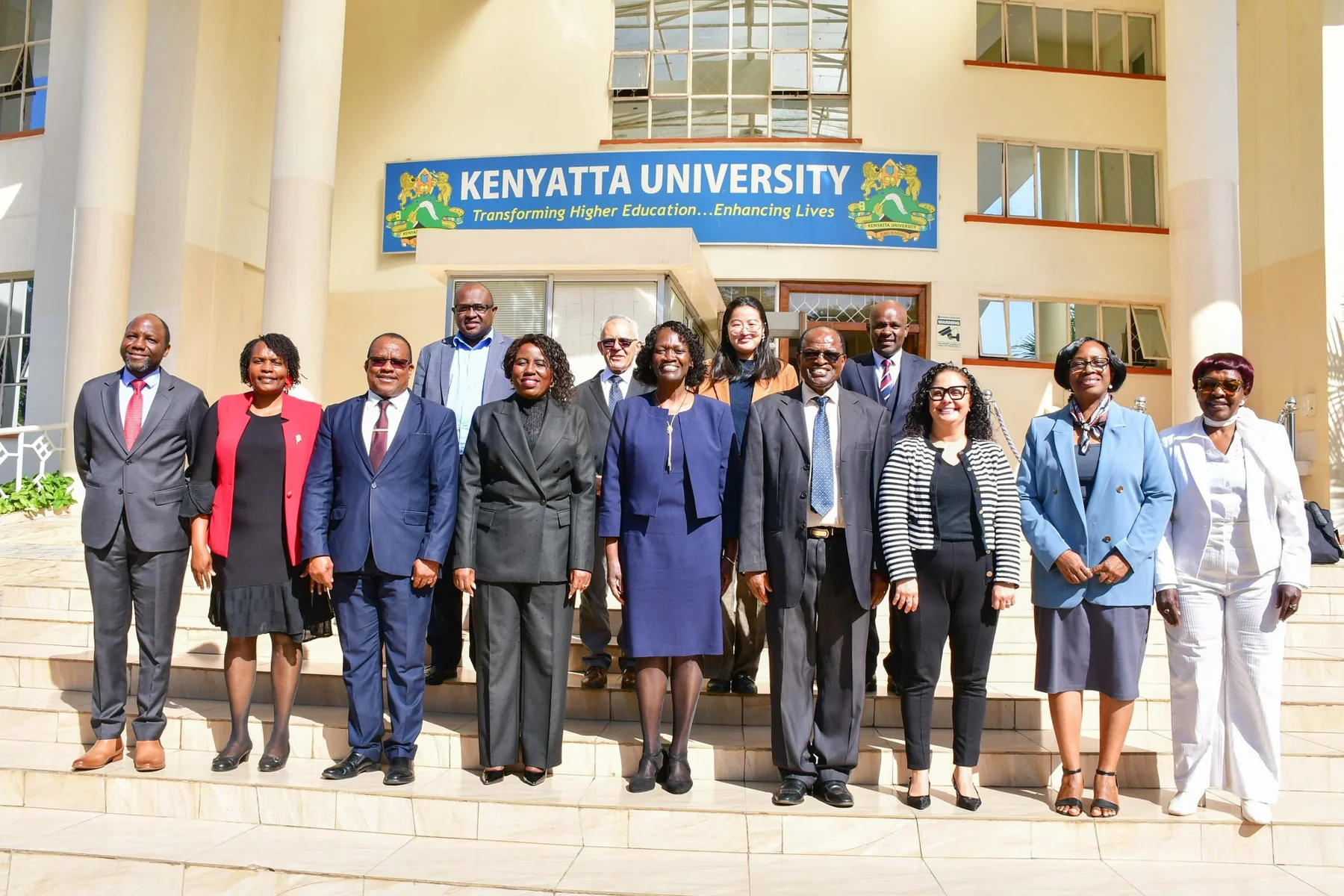
The Chair for UNESCO for Higher Education Development for a Green Economy (HEDGES) in Kenyatta University Dr Dorcas Otieno is involved in several projects that will make green economy a dream come true. A green economy is defined as low carbon, resource efficient and socially inclusive economy. UN Environment promotes a development path that understands natural capital as a critical economic asset and a source of public benefits, especially for poor people whose livelihoods depend on natural resources. Kenya’s Ministry for education launched the competence based curriculum in 2017 as a solution to the disconnect between 8-4-4 system and labor market needs. TVET institutions have embraced this shift with zeal. Creation of TVET curriculum development assessment and certification council to develop CBC to TVET institutions, the country has revamped TVET training. The training model emphasizes close working ties with the industry and labour market actors to integrate teaching practice, this is necessary so as to impact the youth with green skills such that they are able to be green entrepreneurs and create opportunities for green jobs On the 29th of August up to 12th of September, KU hosted delegates from South America, Asia and Africa at the graduate school in Kenyatta University for two weeks. The conference was organized by the Pan African Climate Justice Alliance (PACJA) The main purpose was to create a curriculum that will incorporate green economy in schools and initiate climate justice in institutions this is crucial because people need this skills in order to create employment and sustainability. The realization of agenda 2030 and the Sustainable Development Goals also supports the growth of green economy. Currently HEDGES is working on a capacity building program within Kenyatta University to help sensitize the lecturers on the importance of a green economy and green skills. This is crucial because the lecturers are the main people who disseminate information to students this information will prove to be beneficial because it will help the individual be self-reliable and to actively be involved in climate justice. Climate justice is a term used to frame climate changes as an ethical and political issue, rather than one that is purely environmental or physical in nature. This is done by relating the causes and effects of climate change to concepts of justice, particularly justice and social justice. What is climate justice? Climate justice focuses on the root cause of climate making systematic changes that are required to address unequal burdens to our communities and realign our economy with our natural systems. As a movement, climate justice advocates are working from the grassroots to create solutions to our climate and energy problems that ensure the right of all people to live, learn, work, play and pray in safe, healthy and clean environments.
Tailoring green economy in academia Dr Dorcas Otieno Chair UNESCO HEDGES KU